
Understanding Tinnitus: Causes, Symptoms, and Treatment
By Dr Manuj AgarwalPublished Updated 4 min read
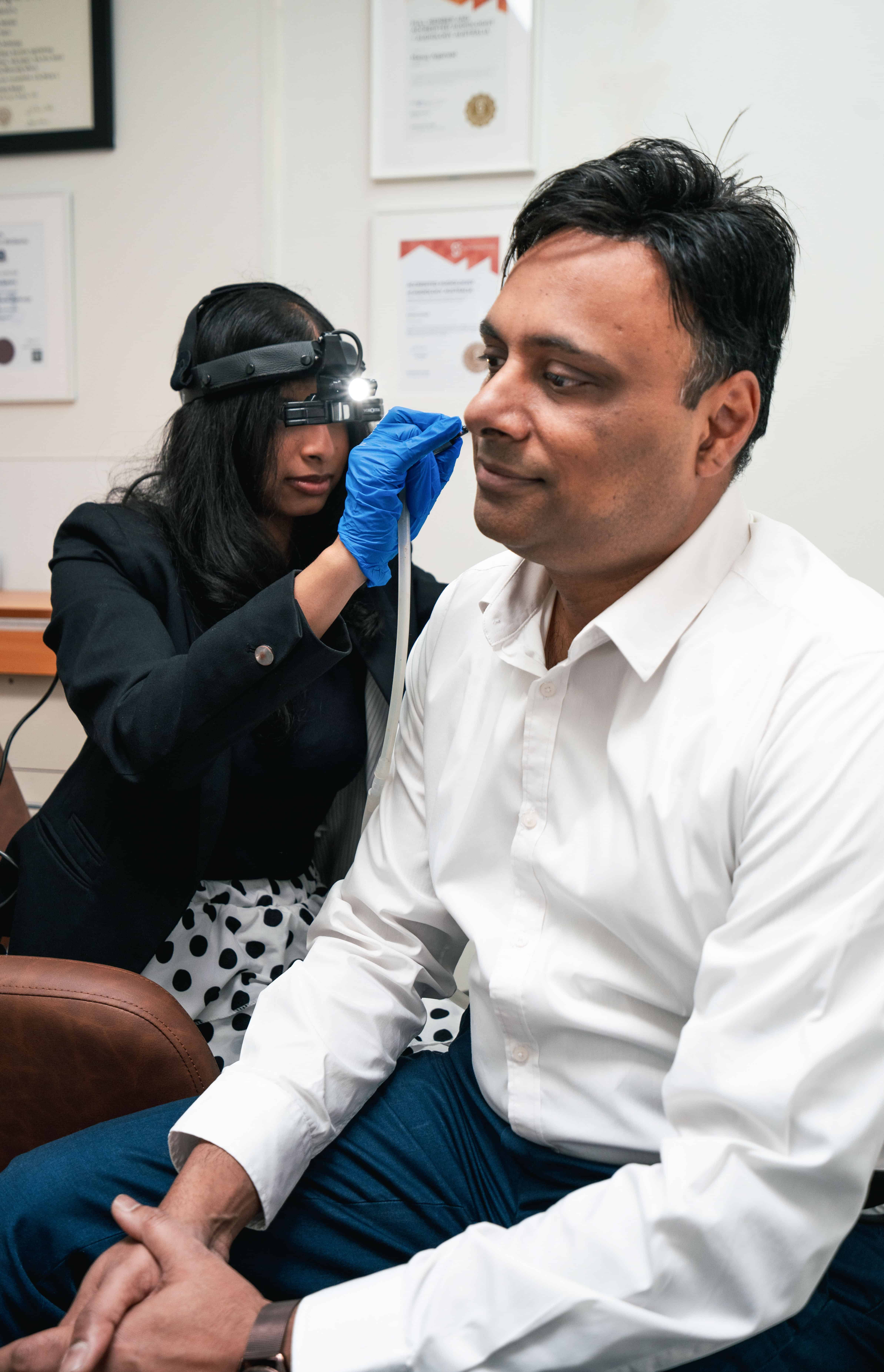
Tinnitus is often described as a ringing or buzzing sound in the head that no one else hears. Tinnitus is a very common problem that affects 4 out of 20 people in Australia and can be a constant companion for several people suffering with it. This perception of a phantom sound or tinnitus can affect concentration, affect ability to relax and can even make someone agitated and frustrated. One may first notice tinnitus because of developing hearing loss or due to any ear related illness. It is essential for the ones facing this problem to understand the symptoms, know the causes to get the right treatment
Causes of Tinnitus
While the exact causes of tinnitus are not fully understood, it has to be linked to the following:
1. Noise Exposure: Many people develop tinnitus after being exposed to loud noises at the job, during a sporting event, or at a concert. Tinnitus is also the most prevalent service-related condition among veterans, owing to the loud noises they may have heard from gunfire, equipment, bomb blasts, or other similar sources.
2. Hearing Loss: Hearing loss can be caused due to a number of reasons such as aging, exposure to loud environments over a long period of time. Tinnitus is a common co-occurrence alongside hearing loss and usually is due to the physiological change experienced at the level of ear. .
3. Medications: Tinnitus can be a side effect of many drugs, particularly when taken in high amounts. Nonsteroidal anti-inflammatory medicines are among the medications related with tinnitus.
4. Ear Infection: Tinnitus can be caused by earwax or fluid from an ear infection blocking the ear canal or even blocked Eustachian tube.
**5. Head Injury:**Tinnitus can be caused by a head/neck injury that damages ear structures, the nerve that transmits sound impulses to the brain, or parts of the brain that process sound.
While the above listed causes are more common, the less common yet significant cause of tinnitus may include acoustic neuroma or other neurological conditions.
Symptoms of Tinnitus
Tinnitus is most commonly described as a ringing in the ears despite the absence of external sound. Tinnitus, on the other hand, can generate different forms of phantom noises in your ears, such as:
Buzzing
Roaring
Clicking
Hissing
Humming
Ringing
Tinnitus noises can range in pitch from a deep roar to a high shriek and can be heard in one or both ears. In certain situations, the sound might be perceived loud enough to impair one’s ability to concentrate or hear outside sounds. Tinnitus might be present all of the time or intermittently. .
Treatment of Tinnitus
Addressing the underlying physiological cause of tinnitus, such as earwax or jaw joint disorders, can eradicate or considerably reduce symptoms. However, for many people, symptoms might last months or even years. Tinnitus can be managed in a variety of ways. Below are a few ways to help you with the treatment.
1. Sound Therapy: Sound therapies are based in part on the belief that tinnitus is caused by alterations in neural circuits in the brain caused by hearing loss. Some data suggests that exposure to sound can reverse some of these brain alterations and assist in the suppression of tinnitus. Sound therapy may also assist to conceal tinnitus sounds, help you become acclimated to them, or divert you.
2. Behavioural Therapy: Counselling can help you lessen the impact of tinnitus on your life, which can enhance your overall well-being.
3. Medications: There are no medications especially designed to cure tinnitus, but your doctor may prescribe medications to assist in coping with the tinnitus reactions. While specific vitamins, plant extracts, and nutritional supplements are frequently promoted as remedies for the illness, none have been demonstrated to be beneficial.
4. Hearing Aids: Hearing aids may significantly alleviate tinnitus perception especially if there is presence of significant hearing loss. This is due to the masking effects created by aided sound which reduces or even eliminate tinnitus awareness.
**5. Counselling:**Learning coping mechanisms can help patients with hearing impairment with the emotional stress that comes with Tinnitus. Support Groups have been proved a blessing.
**6. Tinnitus Retraining Therapy:**Tinnitus Retraining Therapy (TRT) is a method of teaching yourself to manage with tinnitus (commonly known as ringing in the ears) on both a conscious and subconscious level. This practice has assisted many people in reducing stress and improving their quality of life.
Conclusion
If you are someone with Tinnitus or have a loved one suffering from Tinnitus, seek professional help. At Vital Hearing, our audiologists are extremely experienced and can help you overcome this. At Vital Hearing, we try to understand and listen to individual concerns and suggest appropriate counselling and remediation to ease patient’s concerns. Remember, you are not in this alone!
This article is general information and not a substitute for personal medical advice. If you have sudden hearing loss, severe dizziness or ear pain, seek medical care promptly.

Dr Manuj Agarwal
Principal Audiologist
18+ years across diagnostic and rehabilitative audiology, with adults and children. Patients describe appointments as calm, thorough and unhurried, with every step explained as it happens. Working with a medical model of audiology clinic ensures detailed assessment and reporting results back to your medical practitioner as needed.
Read more about Dr Manuj Agarwal →